One fault, one stopped aisle
A single lift, shuttle or transfer often has no alternative path. When it fails, everything behind it waits.
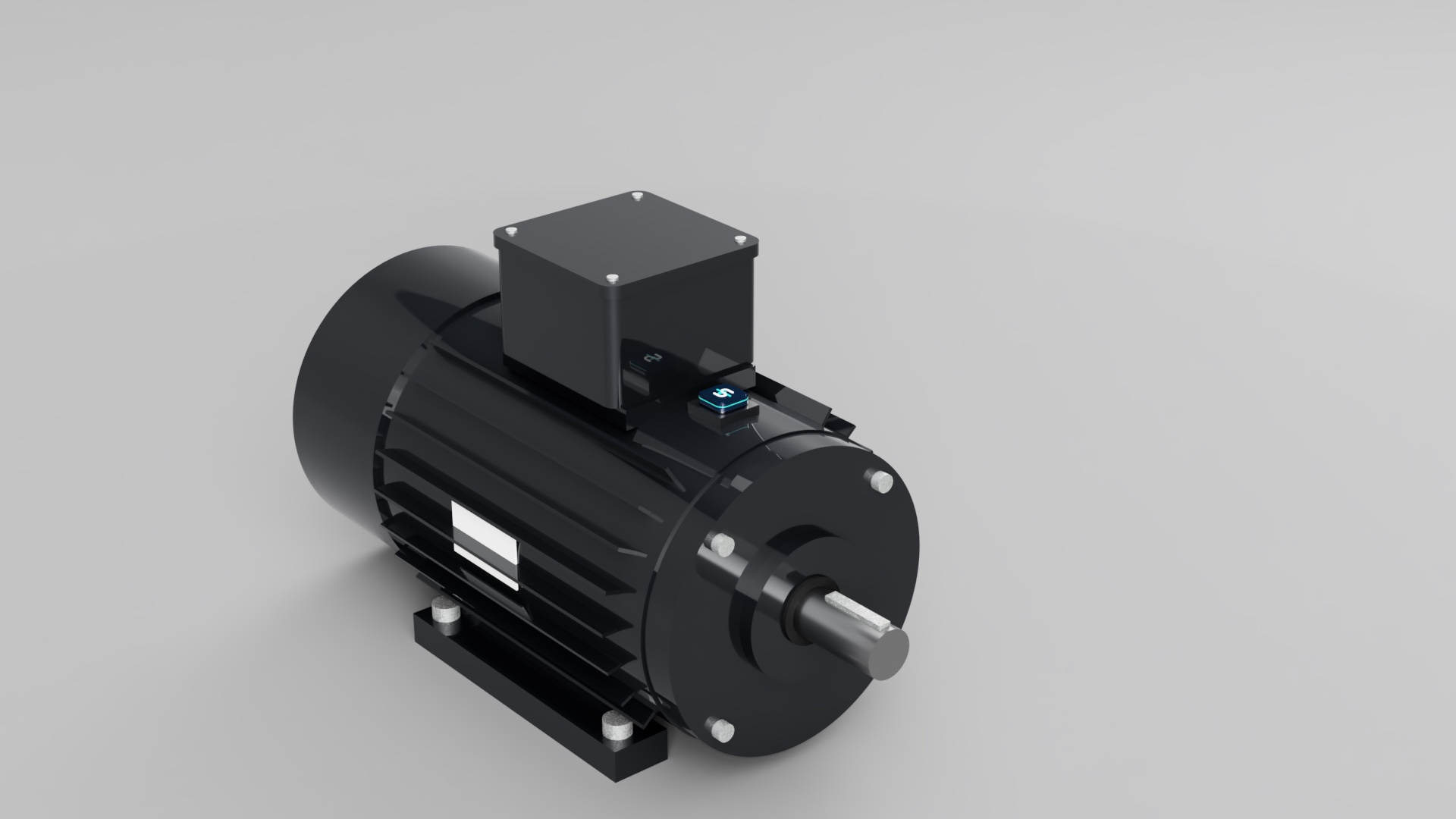
Our first product, the Predict node, is a wireless condition-monitoring sensor now in physical testing. It watches vibration and temperature on motors, gearboxes and conveyors so maintenance teams act before a breakdown. Everything else is still to come: the warehouse machines and humanoid robot integration are digital prototypes today, built one by one after Predict.
We are an early-stage company. We are finishing one product first, then building the machines one at a time, with pilot partners.
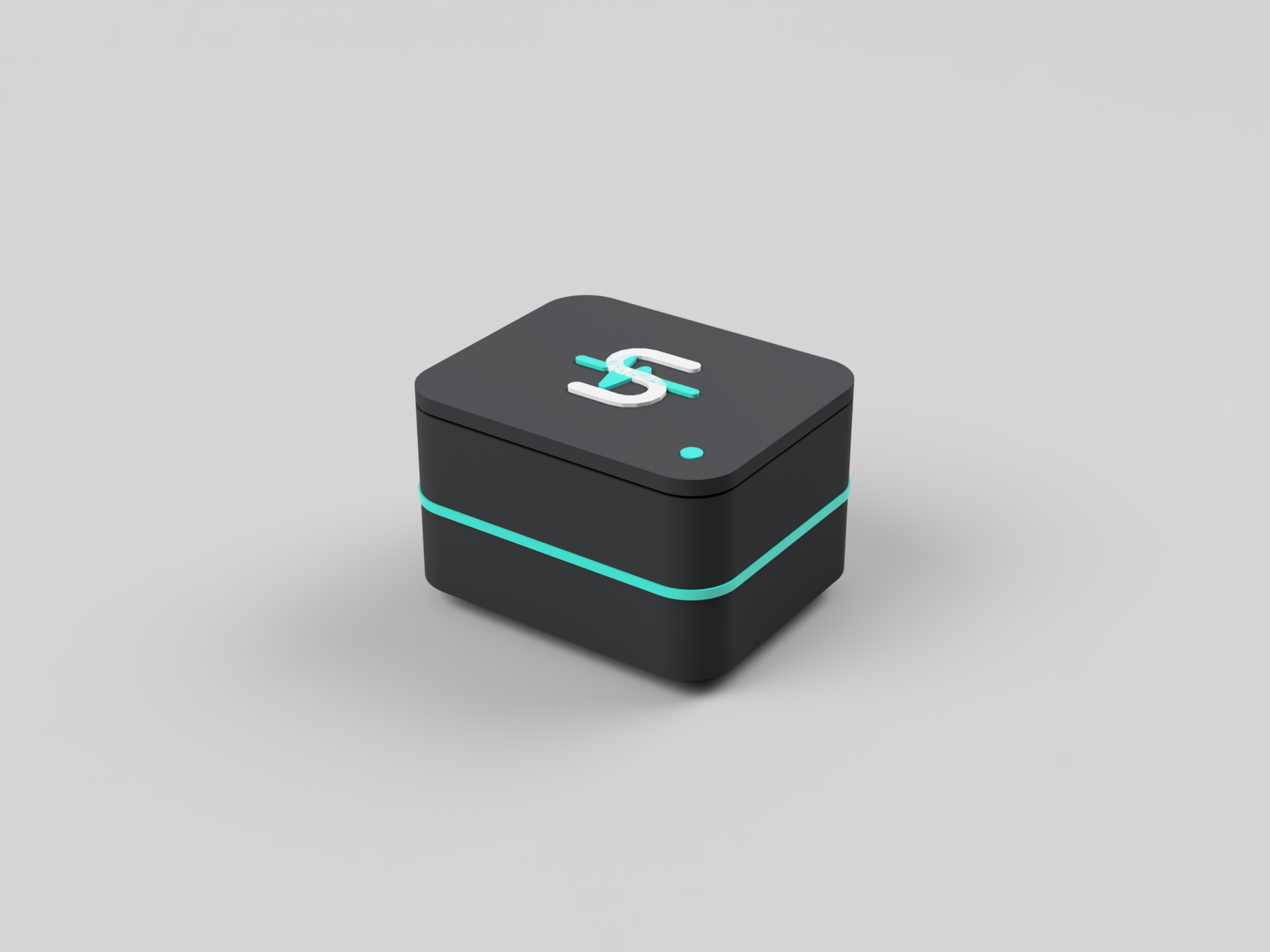
Wireless sensors for vibration, current, pressure, heat, ultrasound and oil, plus automatic lubrication. Predict turns readings into trends and reviewed maintenance actions in one dashboard, for your automation and for the motors, pumps and fans around it.
VibNode, our first node, is in physical testing; the six additional devices are concept designs, still to come. The demo uses simulated data. See how Predict works → Where it can be used →
Automated warehouses rarely stop because a robot is slow. They stop because one failed part blocks a whole aisle, nobody can reach it safely, and nobody saw it coming.
A single lift, shuttle or transfer often has no alternative path. When it fails, everything behind it waits.
Access, spare parts and recovery are left until after layout. Engineers lose hours reaching the fault before the repair starts.
We plan the service job before the machine: reachable modules, a planned spare, a real second route in the WCS and sensors that show change early.
Dense storage, controlled transfers and goods-to-person picking, all run by one control system. We choose the technology to suit your loads and your operation.
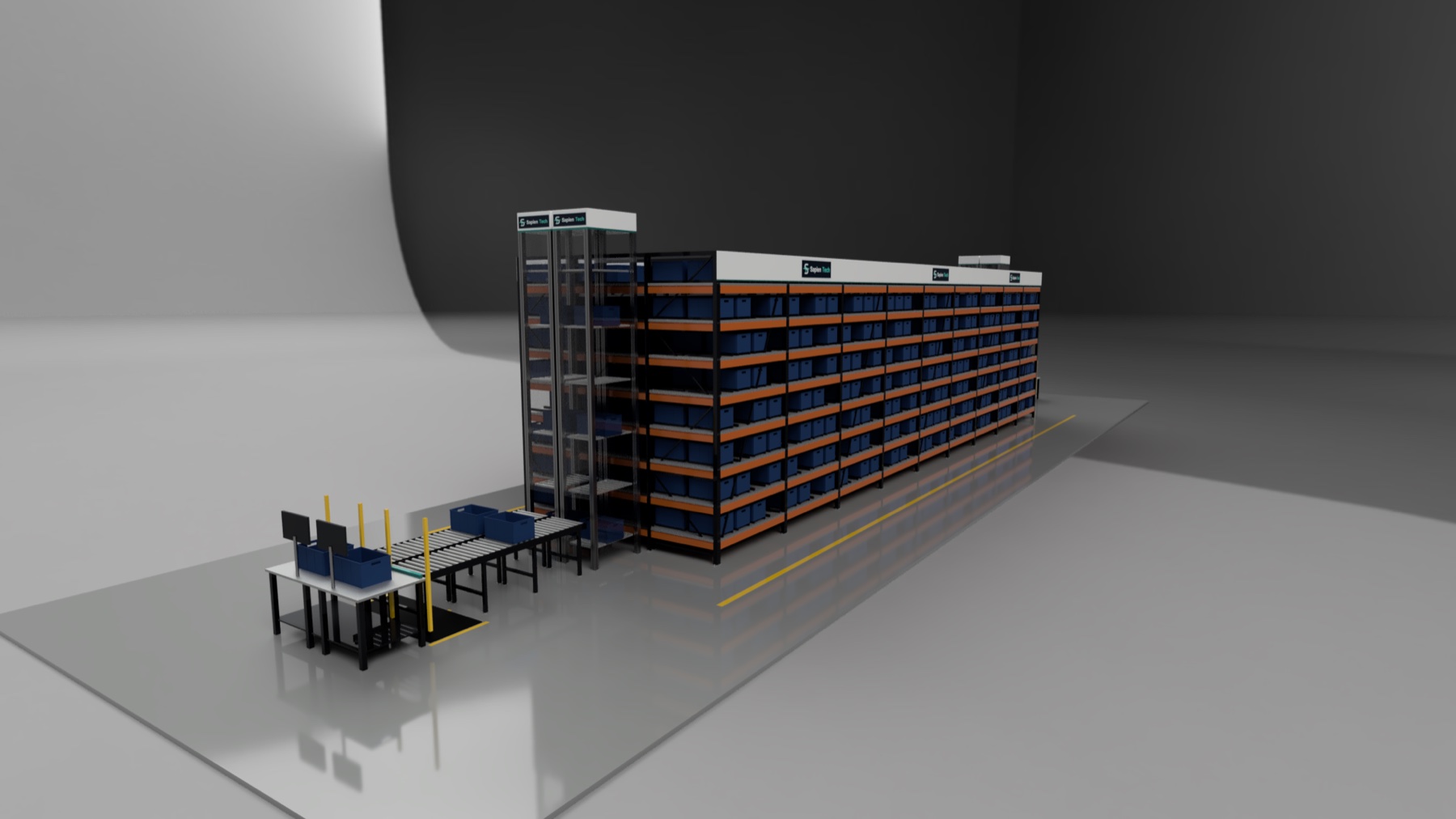
Thin carriers glide on a magnetic floor through two one-way lanes per level: 1,152 places on 8 levels. Four independent lift units feed four stations, so service on one lift does not stop the store.
Explore tote storage →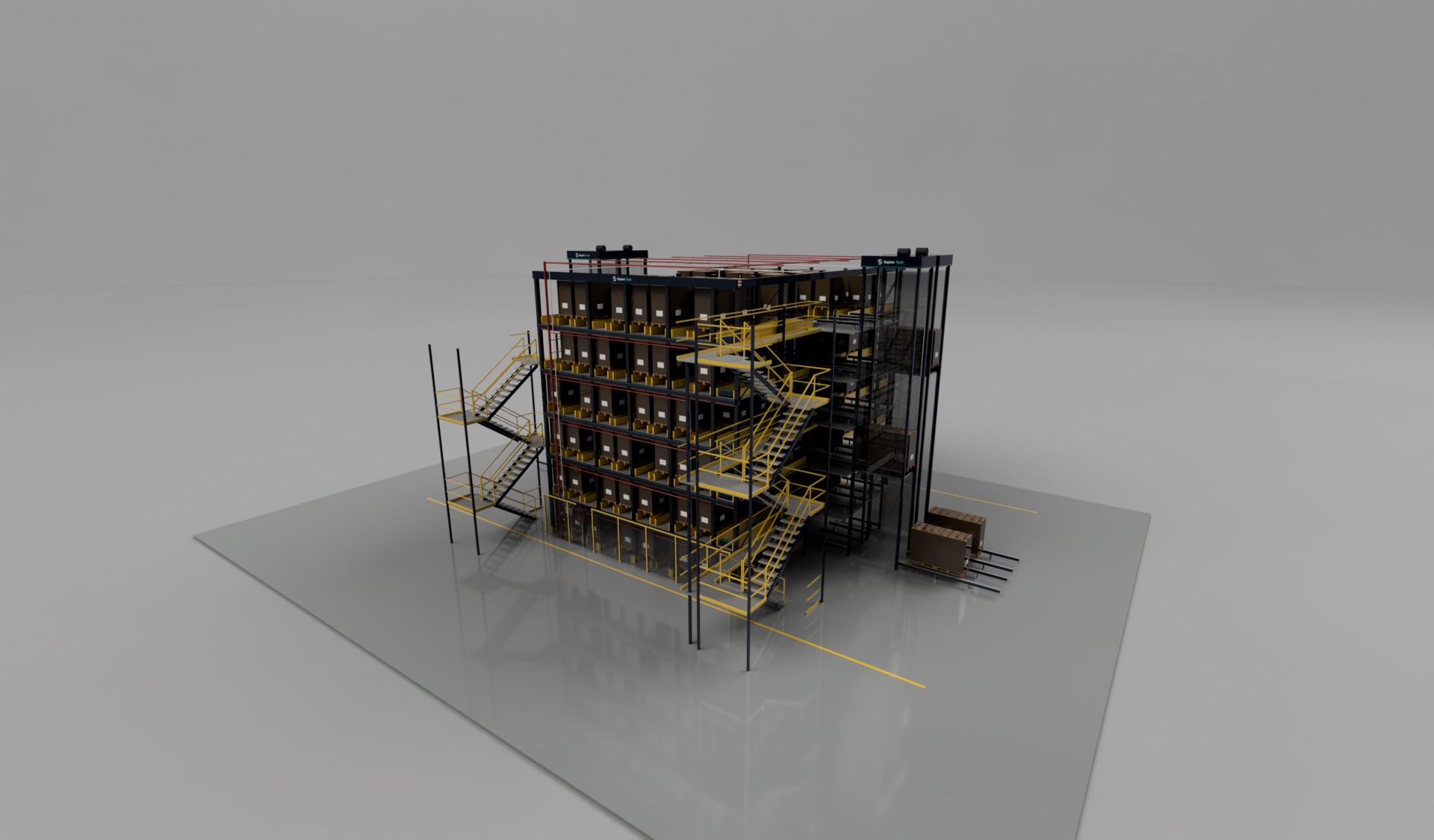
Four-deep storage either side of two travel lanes, with four lift units serving inbound and outbound.
Explore pallet storage →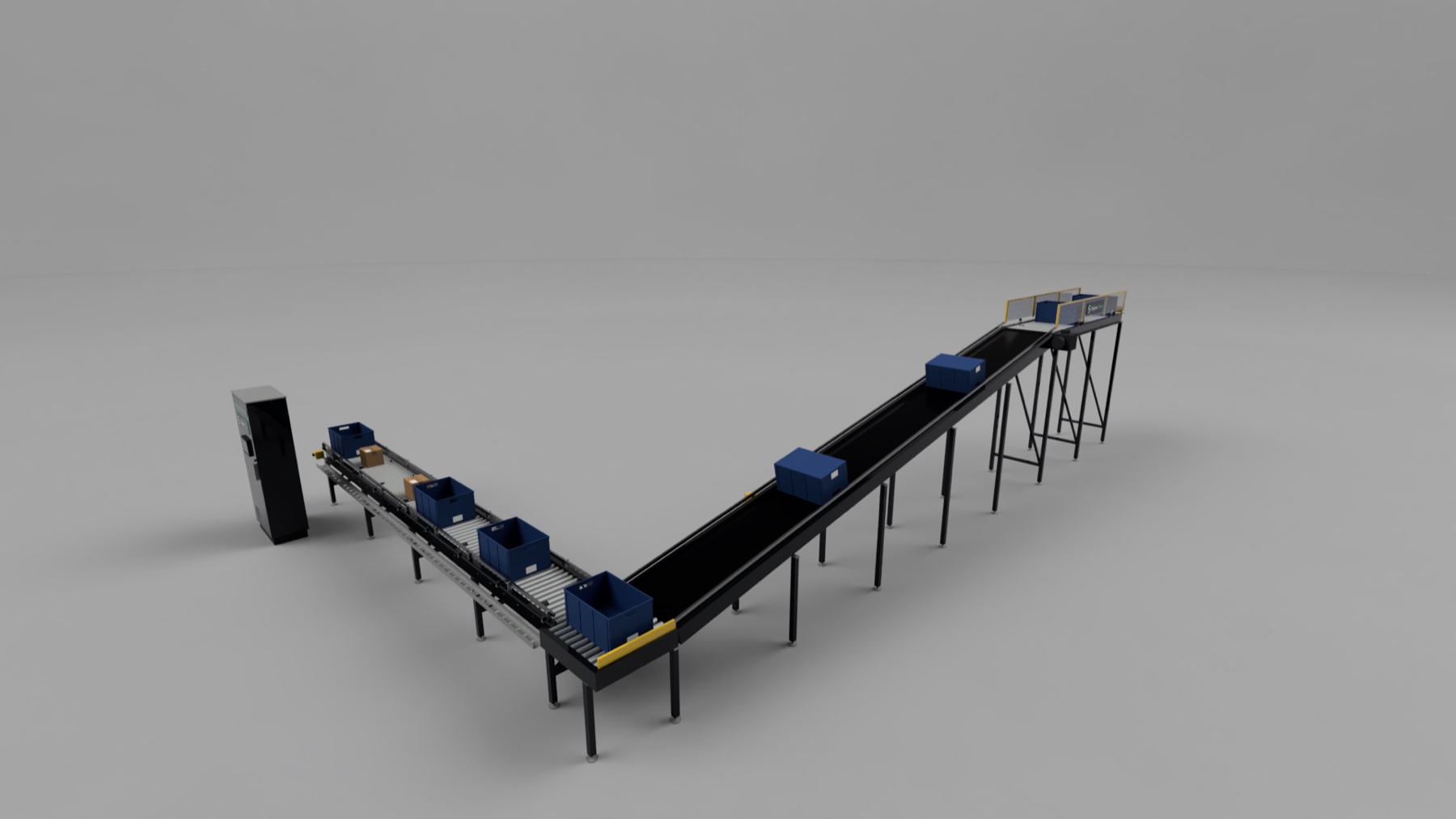
Motor-driven roller zones, 90° transfers and belt inclines; for parcels, a six-sided scan tunnel and a swivel-wheel sorter.
Explore conveyors →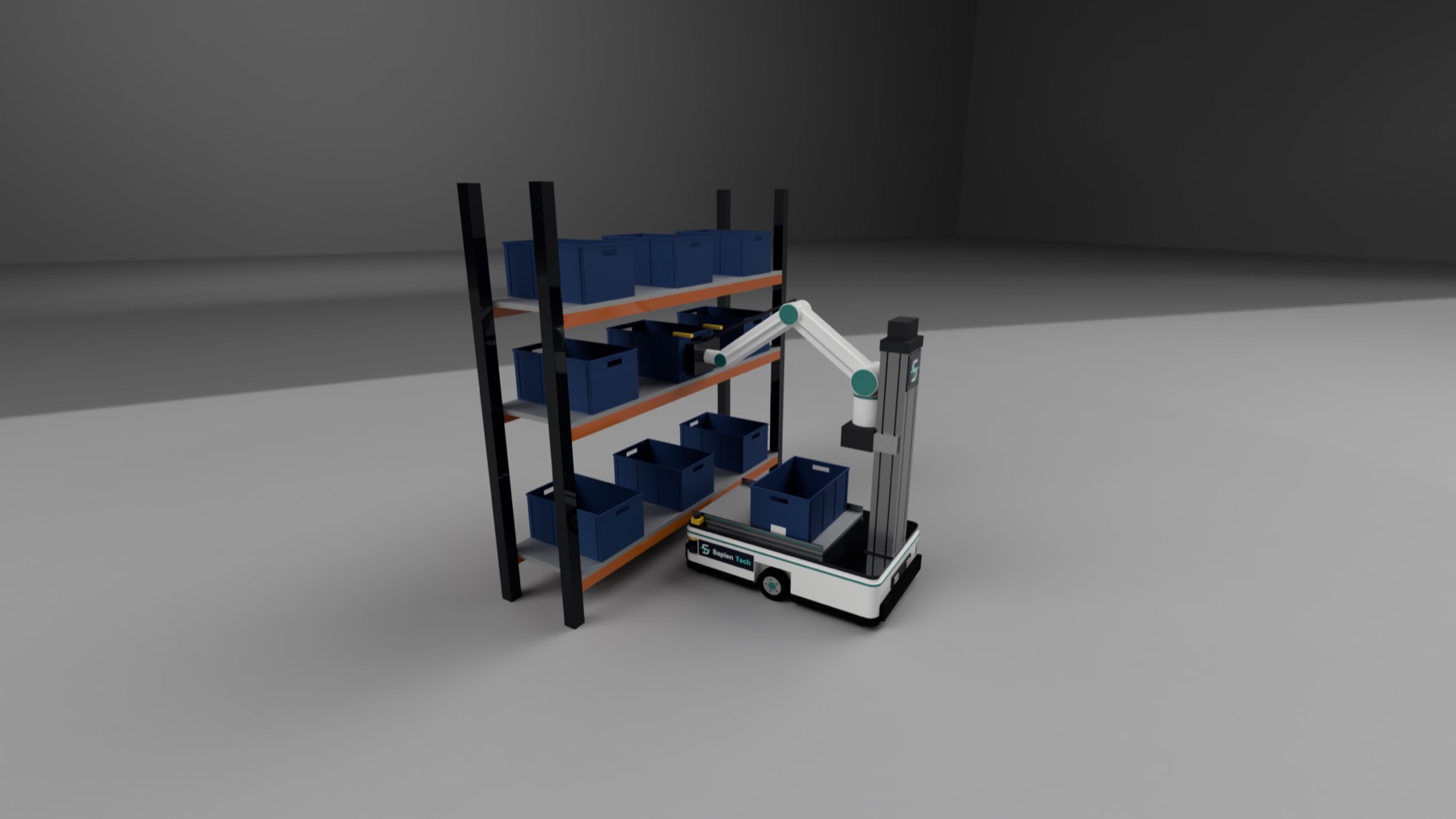
Picker P1 drives to the shelf and picks totes with its own arm; roller-top AMRs carry totes between stations.
Explore mobile robots →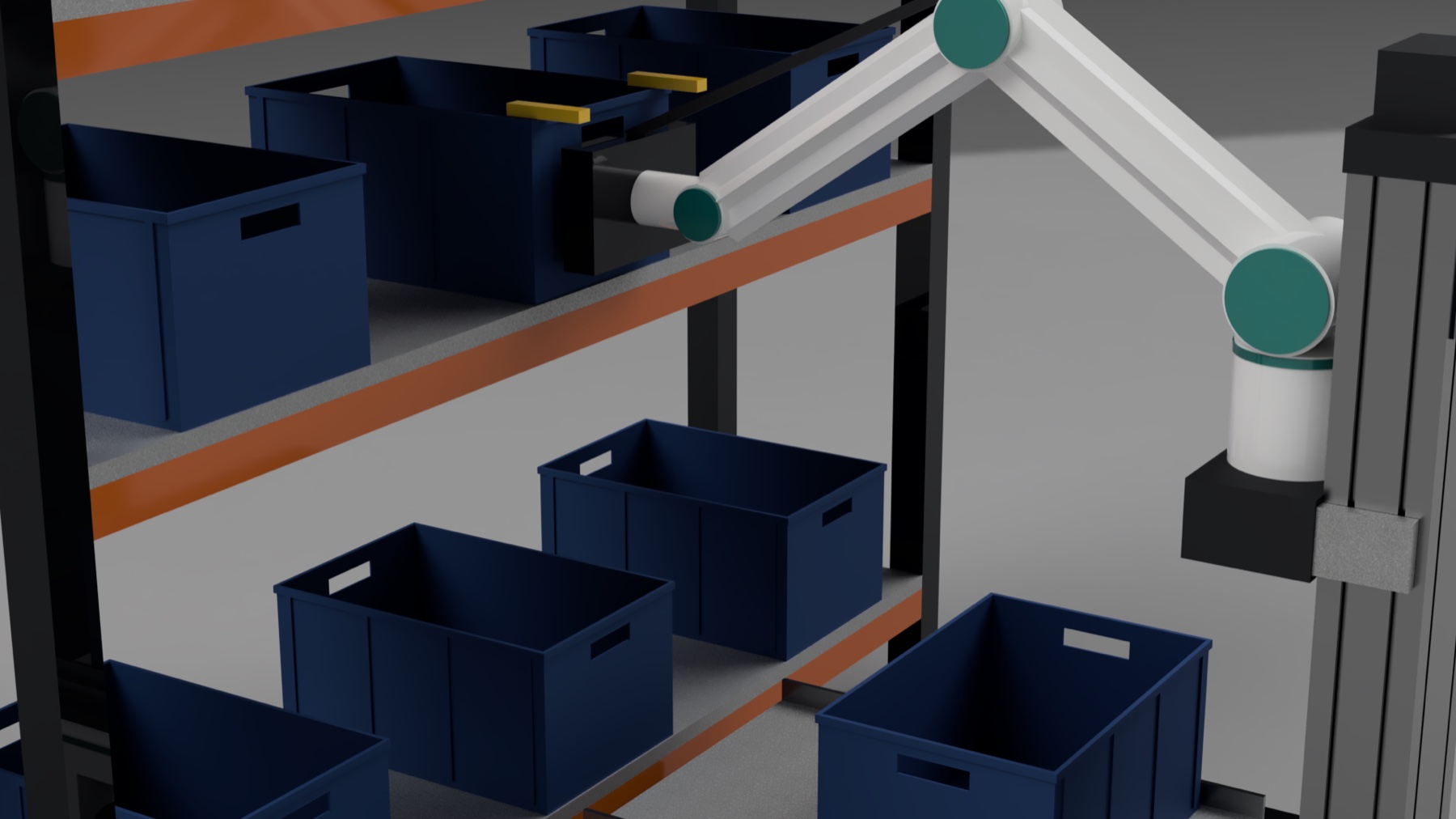
A collaborative arm with a vacuum gripper picks at the shelf on Picker P1, or in a fixed cell fed by storage.
Explore robotic picking →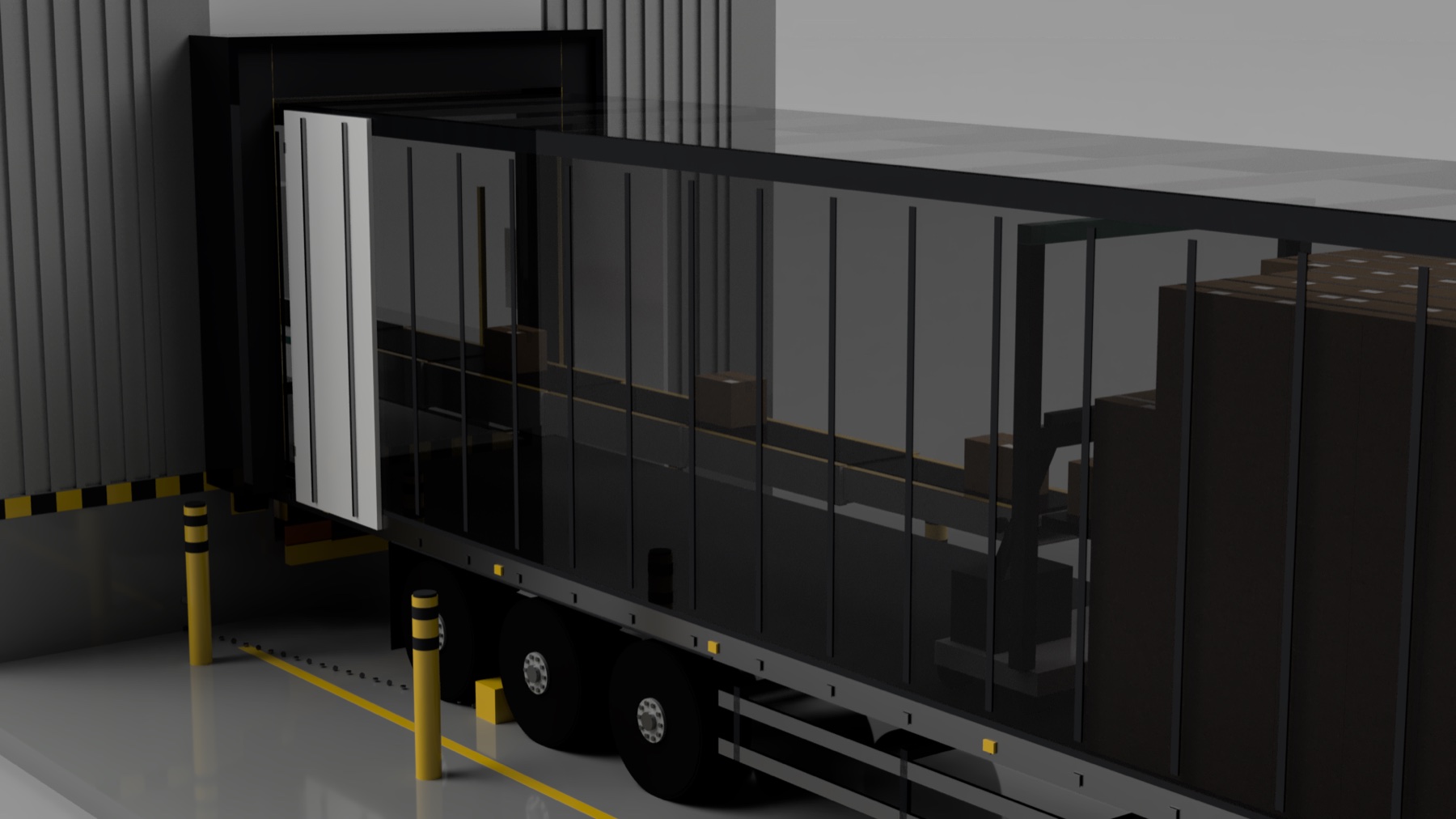
A telescopic boom with a robot head unloads the trailer, top layer first, straight onto the conveyor network.
Explore truck loading →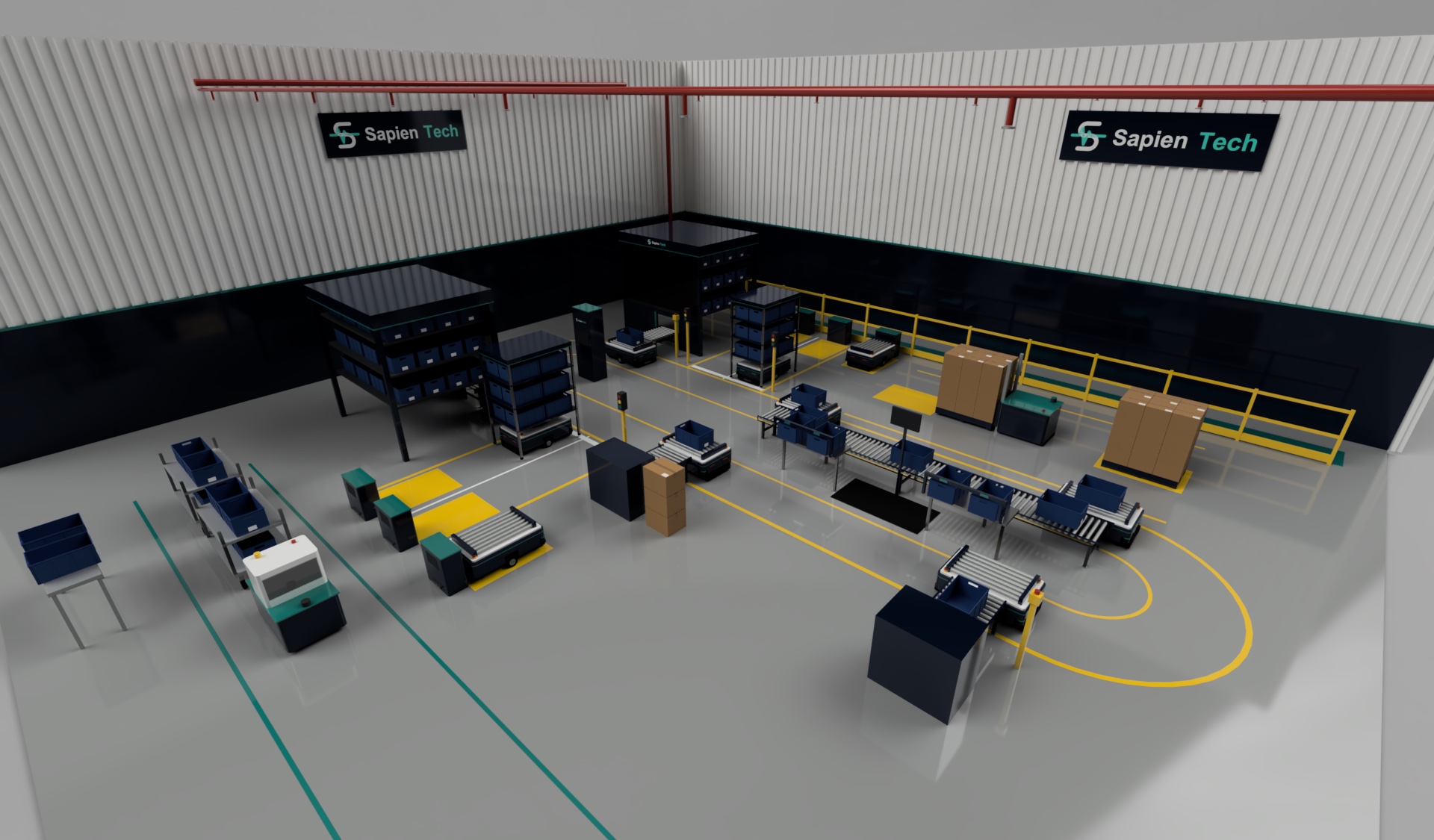
Follow a load from the dock to dispatch across storage, transfers, picking and packing.
Follow a load →Every system is in development; the badge shows the stage of the machine pictured. Images are engineering model renders and 3D models, not photographs of built machines. Ratings are published only after testing.
Inbound conveyors, pallet and tote storage, picking and dispatch, joined in one Fusion model so the flows can be checked before anything is built.
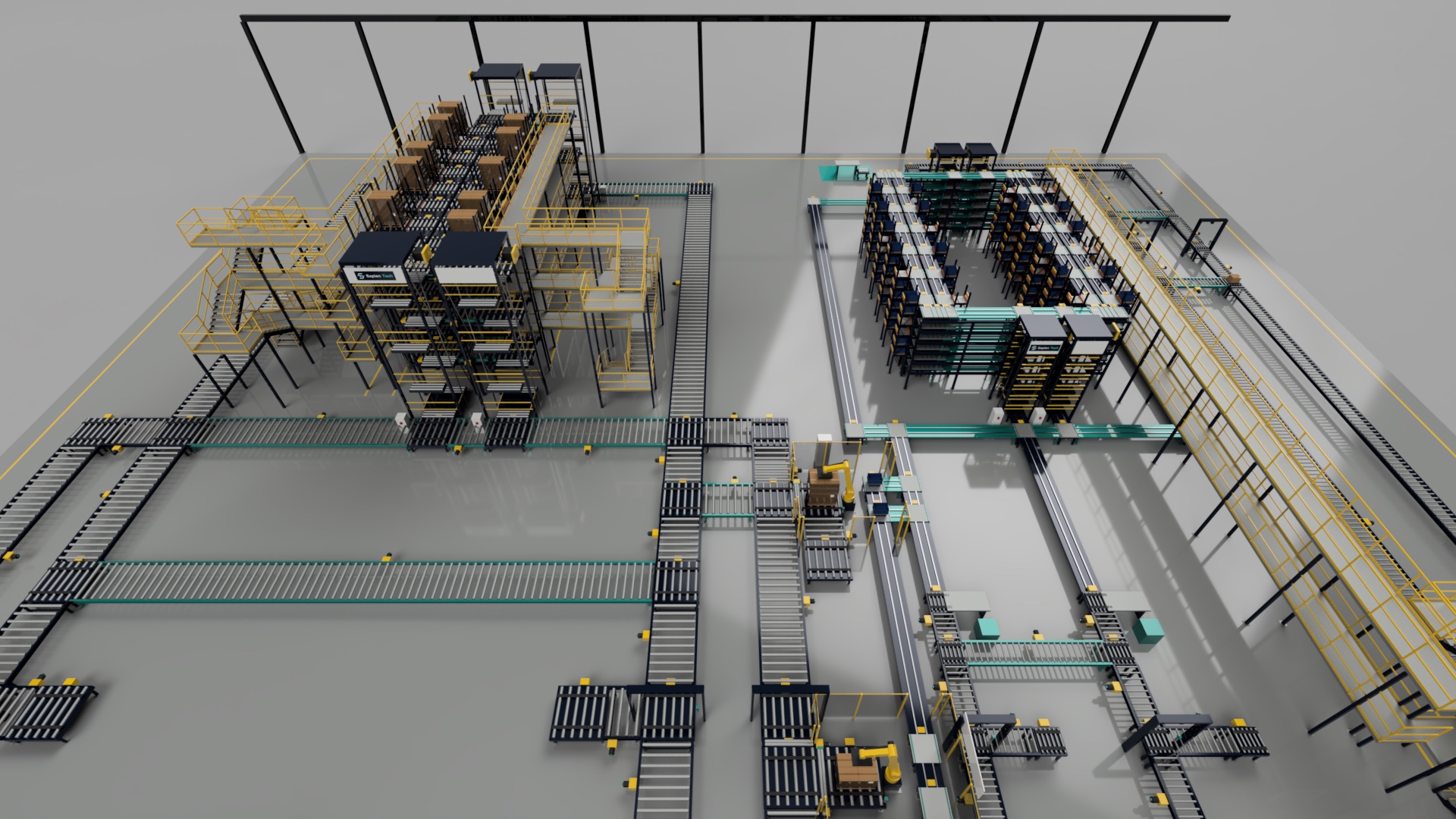
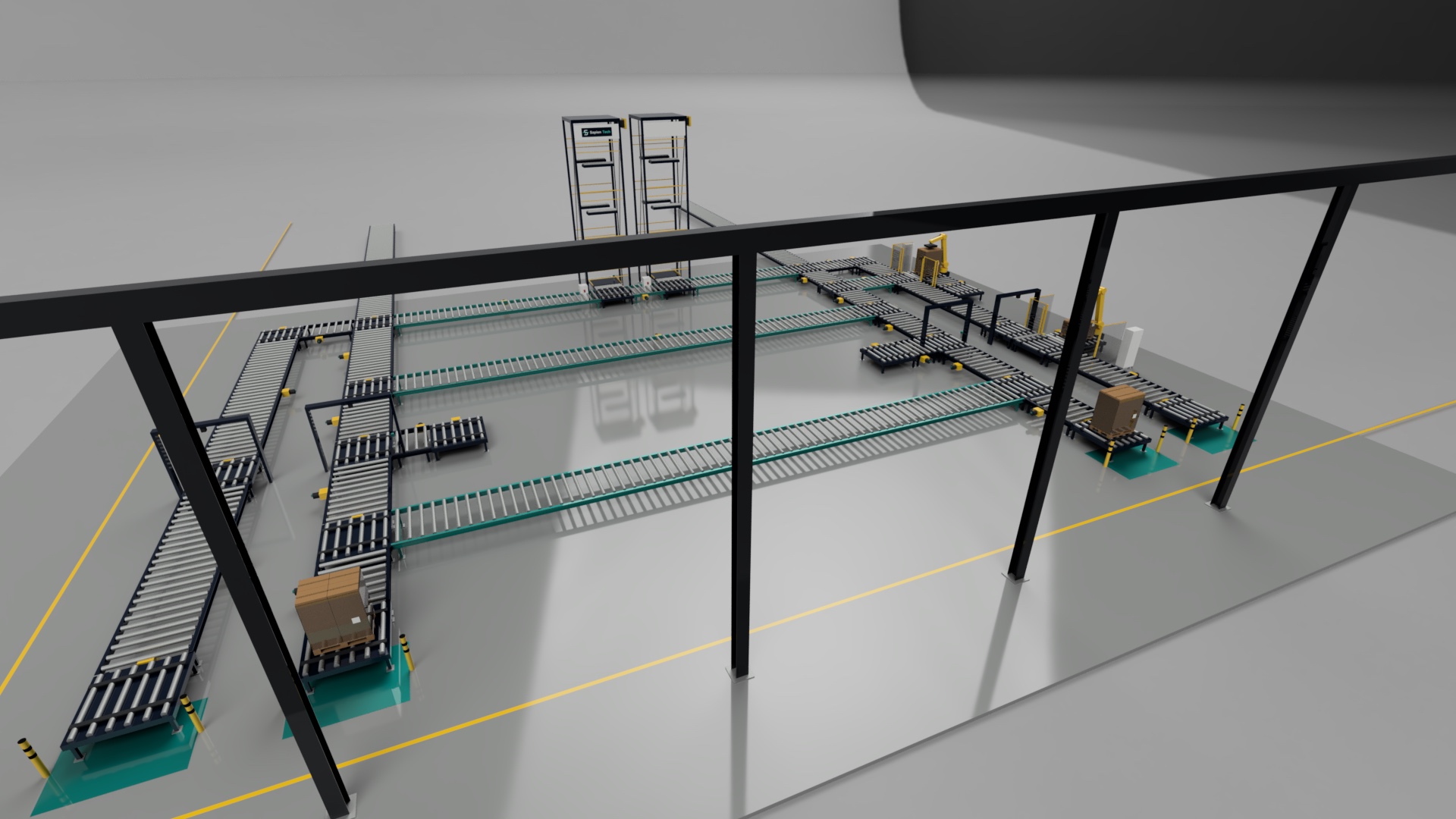
Digital prototype No physical testing yet; ratings are published only after testing.
We are selecting a small number of pilot partners: warehouse, manufacturing and process operators who want early access, engineering time on their site and a say in the product.
Every system moves through the same four stages. We only claim a stage once it is done, and we publish ratings only after testing.
Stages, left to right: design, digital prototype, physical test, customer evaluation.
Not yet. The Predict node is in physical testing and is closest to market. Everything else is still in development: the automation systems are digital prototypes, and pilot partners get early access as each one passes physical testing.
Engineering time on your site, a layout and business case for your operation, early access to tested hardware and a direct line to the design team. See the pilot programme.
We can review your machines or warehouse flow, prepare a concept layout and business case, or support an existing automation project with engineering.
No. The images are taken from our 3D engineering models of machines we are developing. Ratings and test results will be shown once they exist.
We are based in London. International project enquiries are welcome, including the UK, Europe and Saudi Arabia. We confirm local requirements, delivery scope and support for each project.
No. The public demo uses simulated data. Pilot partners will use the separate partner portal.
What needs to move, be stored or be monitored? Share your loads, flow and machines, and our engineers will reply.